Yorkshire Endeavour Academy Trust is a unique and exciting partnership that was formed in 2018 by five primary schools that have a long and successful track record of collaborative working. Each with significant expertise in supporting schools.
About our school
In this section...
Writing
Our writing curriculum aims for all children to become independent, enthusiastic and lifelong learners in a modern society.
Children enjoy writing for real and meaningful purposes and audiences across a range of different genres. Our writing approach is centred around carefully chosen quality core texts, which expose children to a wealth of enriched vocabulary in which they feel confident in applying across a range of contexts. Through our clear and progressive sequence of teaching writing, children are provided with the knowledge, skills and vocabulary to produce beautifully published writing of a high standard.
|
Intent Curriculum design, coverage and appropriateness |
The intent behind our approach to Writing is to:
|
|
Implementation Curriculum delivery Teaching (pedagogy) Assessment (formative and summative) |
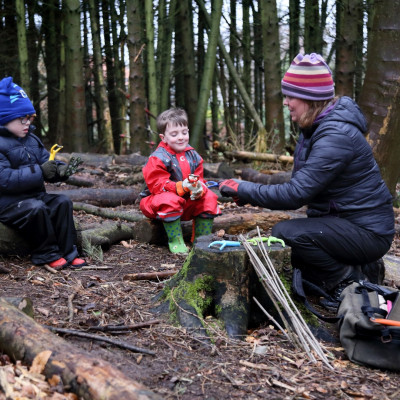
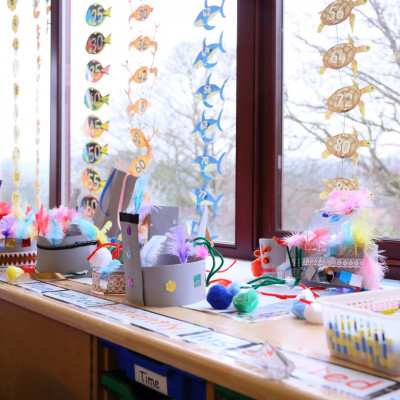
Our writing curriculum is implemented through our Collect, Connect and Create (3C's) approach underpinned by the belief that children must first secure the fundamental transcription skills of handwriting, spelling and sentence construction before they can become confident, independent writers. Developing FoundationsIn EYFS, The Little Wandle phonics programme teaches letter formation and spelling of words. Children apply their writing skills within the phonics session and across the whole school day. In the early stages of EYFS mark making is valued and writing is implemented in the moment, engaging children in purposeful writing through their play. Adult modelling is key to children segmenting words accurately and forming letters correctly. Environment enhancements always include opportunities for writing to encourage learning, meeting individual children’s needs.
By securing these essential building blocks, children are able to focus more effectively on the composition of their writing as they progress through school. Transcription in Key Stage 2
Children follow a structured spelling programme through Spelling Shed, enabling them to learn, apply and retain spelling patterns and statutory word lists. Handwriting is taught systematically and assessed with a forensic level of detail, allowing teachers to precisely identify strengths, address misconceptions and provide targeted teaching to help every child develop fluent, legible and efficient handwriting. Through this approach, the demands of transcription become increasingly automatic, allowing children to devote greater cognitive energy to crafting high-quality writing.
Within the ‘Collect’ stage, children explore and learn the skills of writing through 'writing as a reader', deepening understanding and promoting spoken language. Children are exposed to high quality WAGOLL's (What A Good One Looks Like), setting the expectation of the final outcome and allowing children to identify key features of different genres, exploring the purpose behind why they have been used for an intended audience and purpose. Children also collect and generate high quality vocabulary, as they 'magpie' expert words and phrases used in quality texts. In the ‘Connect’ stage of our learning, teachers explicitly model and support the composition of writing, manipulating the collected content into sentences using grammar skills from the national curriculum. Through guided and shared practice, children construct sentences and develop their skills, continuously improving their work through our editing sessions. Finally, children ‘Create’ their final published piece, after drafting sections or paragraphs of text using the writing skills taught within the connect phase. Children 'write as readers' by editing and improving their drafts before publishing a final piece for their intended purpose and audience. This produces a high-quality published piece of writing with all feedback embedded. The importance of nurture and relationships allow teachers to ‘challenge’ children by giving them immediate, direct feedback. We put great emphasis on children taking pride in their writing and having a critical, editorial eye to create the best work they can. |
|
Impact Attainment and progress (including national tests and assessments) |
The impact of our writing approach is that children are confident, independent and enthusiastic writers who recognise how writing can impact on people’s lives. |

In this section...


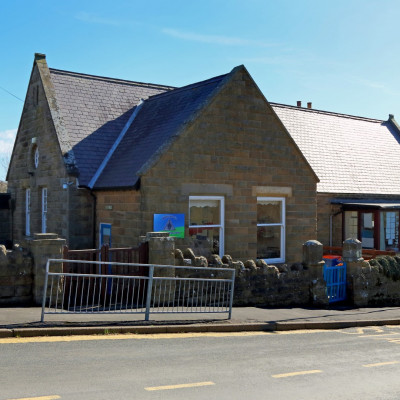
Lealholm Primary School
Lealholm
YO21 2AQ
01947 897401
Click to email
Yorkshire Endeavour Academy Trust is a unique and exciting partnership that was formed in 2018 by five primary schools that have a long and successful track record of collaborative working. Each with significant expertise in supporting schools.